

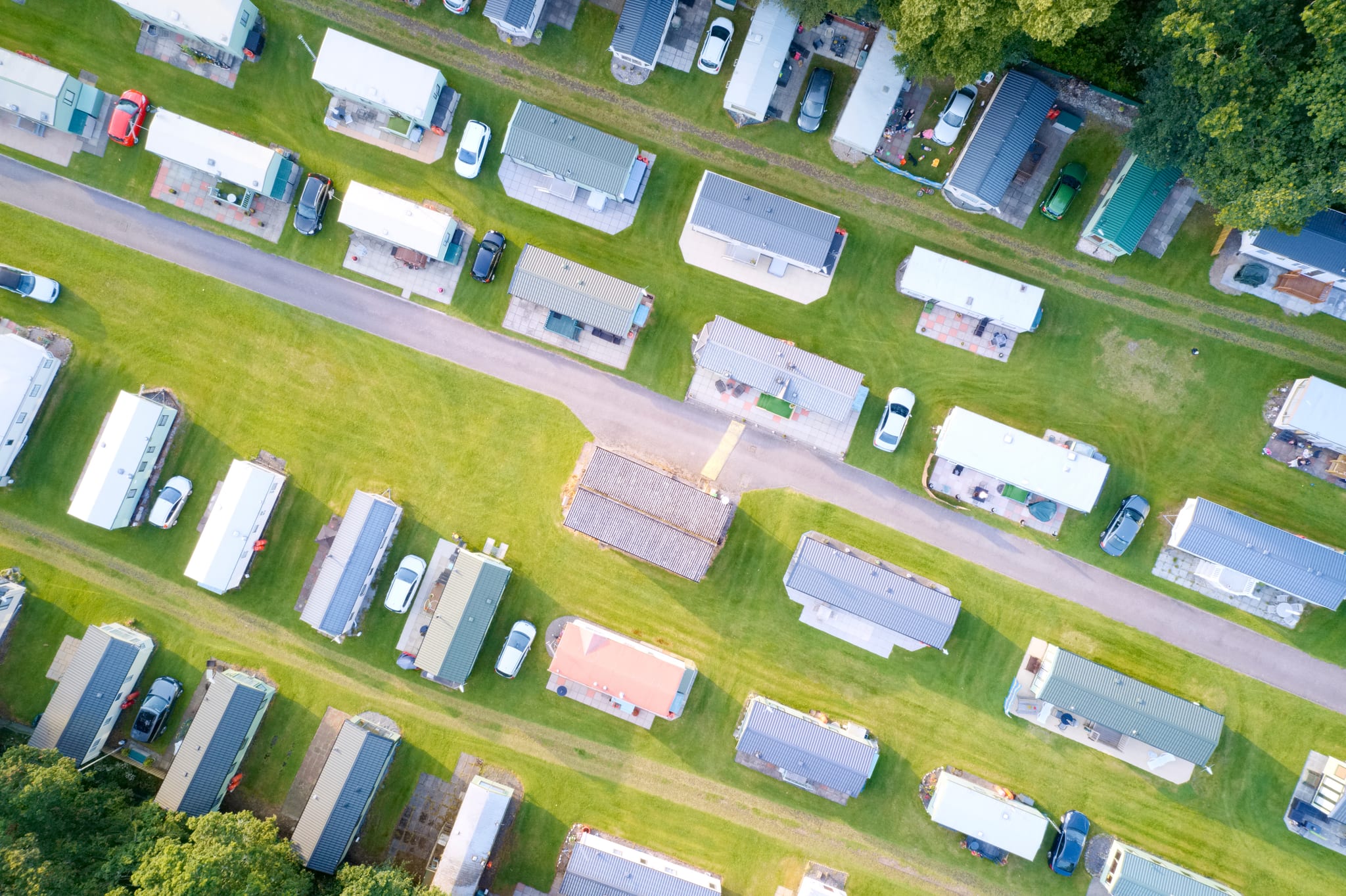
For now, those who live at Charette's are trying to hold on to a place they describe as more than an address.
The future of Charette's Mobile Home Park is in doubt as its owner weighs a sale and, if no buyer emerges, a shutdown process that could force residents from the 14-home neighborhood along Route 5.
A public meeting at the Dummerston School is planned for Wednesday night at 7 p.m., giving residents another chance to press for a solution to the water and financial problems that have shadowed the park for years.
For people like Doris Winter, the stakes are deeply personal. Winter has lived at the park for 52 years, raised her children there and spent decades running a home daycare for local families. She said the community has long felt calm and self-contained, but the possibility of losing it is hard to absorb.
She and her husband have owned their home for about 48 years, and she said starting over now feels overwhelming. Winter said she does not know where she would go if the park closes and worries about being separated from the neighbors she depends on.
The broader problem centers on water. Susan Kuegel, managing director of portfolio operations for the Vermont State Housing Authority, said the park’s three wells now produce only 0.2 gallons per minute combined, far too little for even one household. For years, water has been hauled in from Brattleboro under a permanent waiver, but the expense has become unsustainable.
In fiscal year 2025, the nonprofit spent $88,935 to truck water into the park, while the maximum possible lot-rent income was $73,864. That left a $15,071 gap before other bills such as taxes, insurance, snow removal and trash service. Financial information shared at an Oct. 27 meeting showed an operating deficit of $906,481.39 through Aug. 31, 2026.
A 2025 preliminary engineering report by DuBois & King reviewed five possible fixes, including drilling a new well, hydrofracturing the existing wells, serving fewer homes and connecting to another system. According to the findings presented by VSHA, none of the options proved both dependable and affordable for the long term. Connecting to Brattleboro’s municipal water system, about 1.75 miles away, was estimated at $3.7 million, while a new well could cost nearly $2.6 million with no guarantee of success.
Kuegel said the nonprofit has tried repeatedly to solve the problem but has run into difficult geology and a history of arsenic contamination.
State Rep. Michael Mrowicki, D-Windham 4, said he has been working with residents and state officials to preserve the park if possible. He said he still hopes a new water source can be found and criticized the burden that would fall on homeowners if the park closes, especially those whose units are too old or too fragile to move under state rules.
He said he has been looking into legislative money set aside for mobile home park issues, though he does not yet know whether it can be used in this case. Mrowicki said the park provides some of the only low-income housing in the area and is home to older residents as well as families with children.
Many residents say the park functions like an extended family. Renee Bohannon, who has lived there about a year, said the neighborhood gave her and her 7-year-old grandson stability after they had been homeless and living in a hotel following her separation from her husband. She said the move to Charette's finally gave them a kitchen, a place to cook and a more ordinary daily life after months of strain.
Bohannon said a friend helped her get into the park, and that the community quickly became a source of support. She is now filling out applications for low-income housing in case the park closes, but she fears being homeless again. She also said many residents own their homes but not the land beneath them, meaning they could lose years of investment if they cannot move their units.
Virginia White, who has lived in the park for nearly 25 years, said she and her husband worked for years to pay off their home while living on about $1,000 a month. She said the neighborhood includes children, shared gatherings and a sense of mutual care that would be difficult to replace. White also worries about leaving behind a play structure her son built for the children and about losing the privacy and independence that come with their current home.
White said residents have discussed forming a cooperative, finding a nonprofit buyer, cutting water use and raising money for grants or donations. But she said any purchase would still leave the water problem unresolved, and she does not want the community to take on a property it cannot sustain.
Residents are also hoping an independent engineer can review the situation and identify another option. White said some people have talked about possible access to another water source, though nothing has been confirmed. She said the goal is to gather enough support and funding to keep the neighborhood intact.
The uncertainty has been especially hard for White because of serious health issues in recent years, including a brain aneurysm and a stroke. She said returning to the home she worked so hard to keep felt like a major victory, and losing it now would be devastating.
Diane Murphy, another longtime resident, said she and her husband are still working and might be able to move their home if necessary, but she would rather do anything possible to keep the park open. Many residents, she said, are trying to decide whether to move ahead with housing applications, help organize a cooperative or wait to see whether another organization steps in.
Kuegel said the park has not yet entered formal closure proceedings. Housing Foundation Inc. may issue a notice of intent to sell as early as Monday, Nov. 16. Under Vermont law, homeowners would then have 45 days to say whether they want to buy the park themselves or find a nonprofit to do so on their behalf. If a majority of leaseholders support a purchase effort, they would get another 120 days to negotiate. If that fails, the owner could issue a formal closure notice, starting an 18-month countdown before residents would have to leave.
VSHA is working with local housing groups, including the Brattleboro Housing Authority, Springfield Housing Authority and Windham & Windsor Housing Trust, to consider possible help for residents if they need to relocate. The Champlain Valley Office of Economic Opportunity's Mobile Home Program would also help residents learn their rights and look at housing options if closure proceeds. Residents said they were told at the October meeting not to expect payment for mobile homes that cannot be moved.
For now, those who live at Charette's are trying to hold on to a place they describe as more than an address. It is where children play in the yards, neighbors check on one another and families build their lives around a small but familiar community.
Residents say they are prepared to make sacrifices if it means saving the park. But as one longtime homeowner put it, the question is whether there is any way to preserve a place they still consider home.
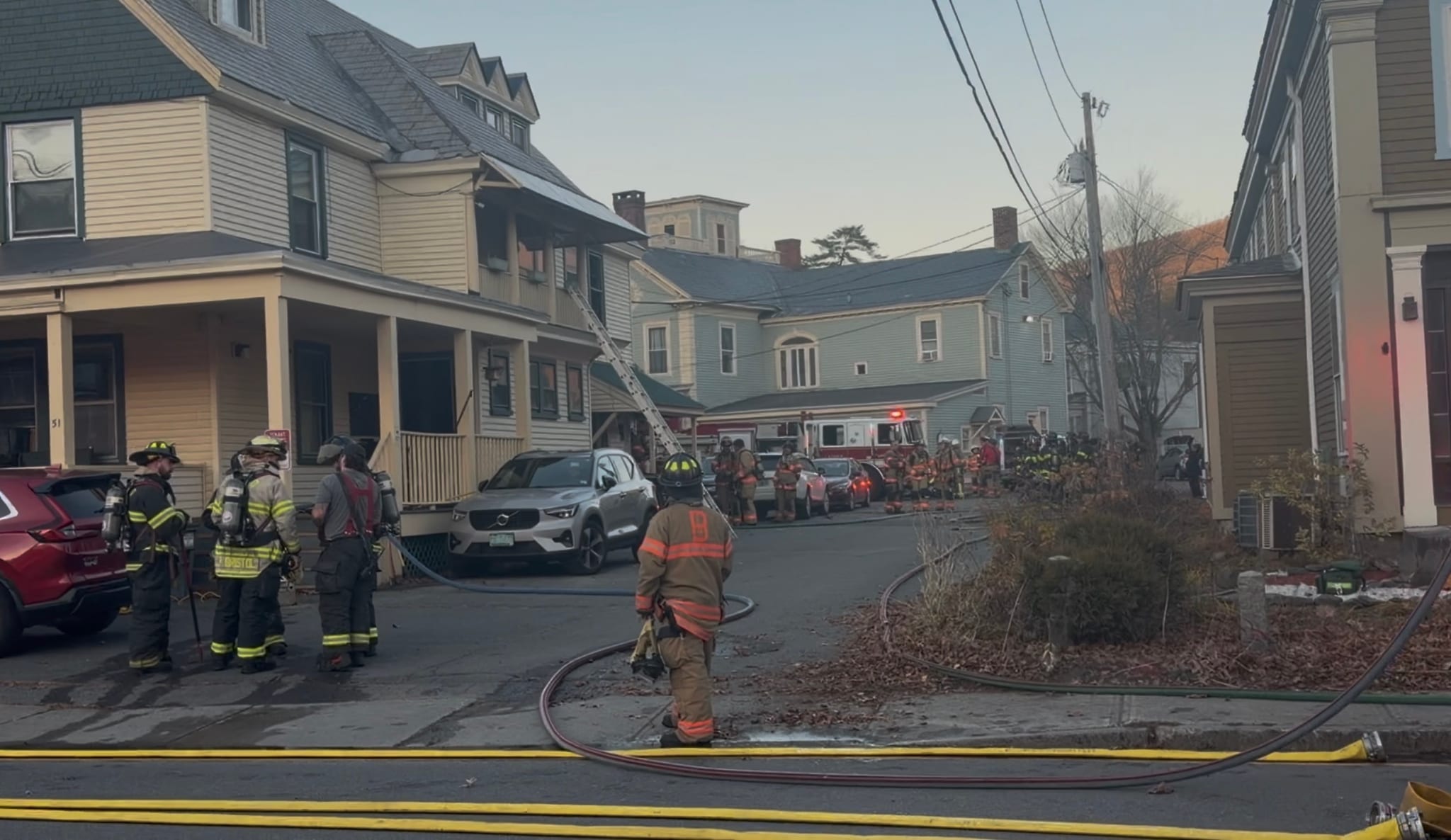 Residents Removed from Brattleboro Apartment Fire After Three-Alarm Response
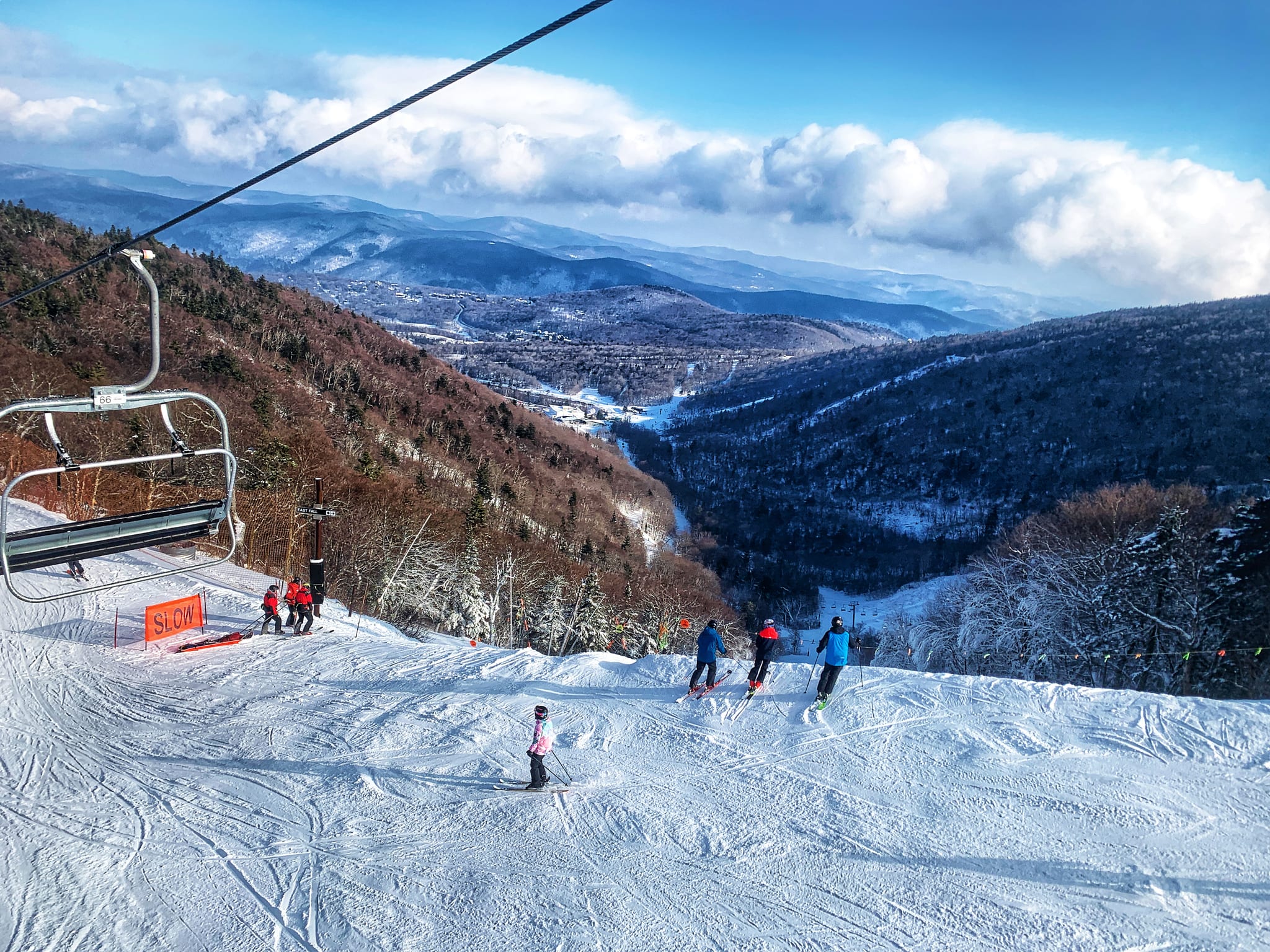 Killington Secures Snow Approval for World Cup Weekend
 FBI Investigates Vermont Police Software Outage
 Valcour system taken offline after potential security threat, Vermont officials say
 Brooks Memorial Library names Nicole LaMoreaux as director

Comments
Add a comment