This case traces back to a protest that occurred during the inauguration of Governor Peter Shumlin in January 2015.
On Monday, the U.S. Supreme Court made a significant ruling regarding a use-of-force incident involving a trooper from the Vermont State Police. This case traces back to a protest that occurred during the inauguration of Governor Peter Shumlin in January 2015.
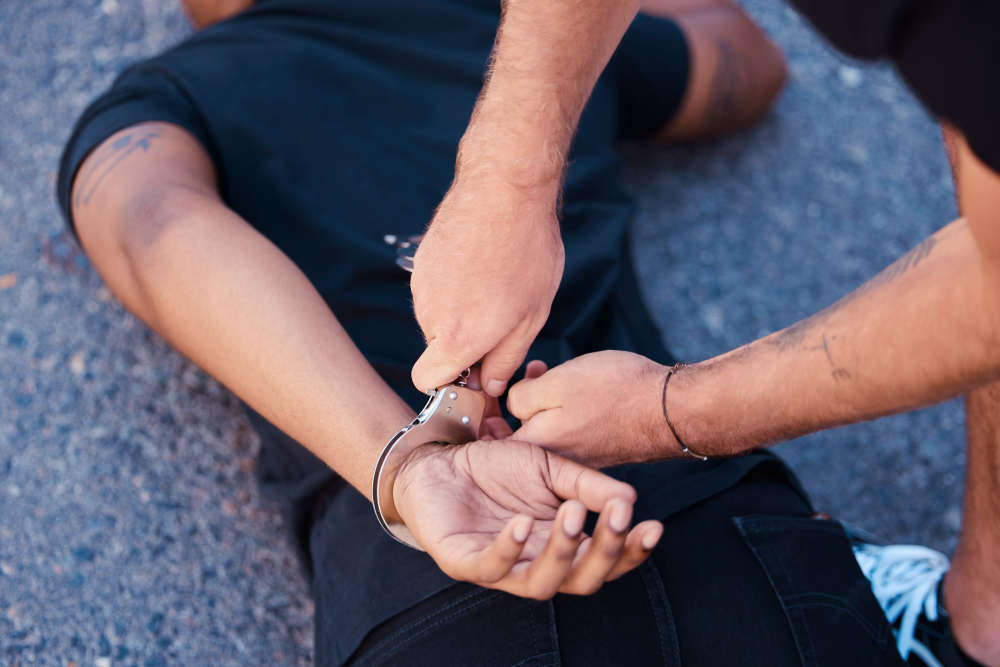
Shela Linton participated in a group of protesters who defiantly remained inside the Statehouse, prompting attempts by police to clear them out. According to the court's records, Sgt. Jacob Zorn of the Vermont State Police issued a warning to Linton, indicating she needed to rise or face physical removal. He utilized a wristlock maneuver to stand her up, a tactic she later claimed caused her injury, distress, and led her to file a lawsuit alleging excessive force. In response, Zorn invoked the legal doctrine of qualified immunity.
The Supreme Court ultimately ruled in a six-to-three decision that even if Zorn’s actions were deemed excessive, he was still afforded protection under qualified immunity due to the absence of specific case law regarding the constitutionality of using a wristlock on a resisting protester. Legal experts noted that this doctrine complicates matters for individuals seeking recourse for perceived violations of their constitutional rights, especially in contexts like protests.
Jared Carter from the Vermont Law and Graduate School explained that the prevailing interpretation of qualified immunity makes it exceedingly challenging for plaintiffs to bring their cases before a court unless their circumstances closely mirror those of a precedent case. This ruling could further hinder individuals from pursuing legal action against law enforcement in similar situations.
Previous efforts by Vermont legislators to abolish qualified immunity were unsuccessful in 2022, but Carter suggested that this recent ruling may prompt renewed discussions on the matter. He articulated the need for lawmakers to devise a more balanced approach to safeguard fundamental rights tied to free speech and the right to peaceful protest, emphasizing that the Court’s decision fails to adequately protect these essential liberties.
The Vermont State Police acknowledged the Court's ruling but refrained from providing additional commentary. Sgt. Zorn, involved in this high-profile incident, has since retired from his position.
 Vermont House Approves $9.3 Billion State Budget
 I-89 Northbound Opens After Pepsi Delivery Truck Falls from Bridge in Richmond
 Stowe teen Dean Roy poised to make history as youngest candidate on Vermont’s general election ballot
 New Tax Proposal Targets Wealthy Individuals in Vermont’s Budget Discussions
 Vermont Lawmakers Abandon Ambitious Emission Reduction Policies for the Year

Comments
Add a comment