


The controversial clip, attributed to an anonymous creator, presents fabricated quotes from both candidates.
A video created using artificial intelligence, featuring Democratic U.S. Representative Becca Balint and Republican contender Mark Coester, is gaining traction on social media platforms in Vermont. This development has ignited discussions about the role of AI in political campaigns and the implications for free speech.
The controversial clip, attributed to an anonymous creator, presents fabricated quotes from both candidates. Coester has stated he had no involvement in the production of the video or its distribution. In response to the video, Balint expressed discomfort, labeling it a deepfake. She raised concerns about the potential risks for elected officials and the general public, emphasizing the need for clearer regulations surrounding this technology.
The video was shared by Hank Poitras, a local content creator known for his provocative style and history of mocking political figures. He defends the video as a form of satire, asserting that it falls under the protections of the First Amendment, which guarantees freedom of speech.
This incident could serve as an early test of Vermont’s recently enacted law, which mandates disclosure for AI-generated materials in political advertising 90 days before an election. Similar efforts to regulate AI in political campaigning have surfaced elsewhere, as evidenced by a new law in New York prompted by a politically charged advertisement last summer.
Supporters of Vermont’s law argue that the rapid developments in AI necessitate protective measures. State Representative Chea Waters Evans emphasized the importance of helping voters distinguish between real and manipulated content, pointing out that the technology is evolving quickly.
Legal experts are weighing in on the implications of the law. Jared Carter, a professor at Vermont Law and Graduate School, indicated that the video might be classified as political speech, subjecting it to the requirements of the new legislation. While recognizing the historical significance of political humor, he also cautioned about the potential overreach of the law.
The Attorney General's Office is currently reviewing the circumstances surrounding the video in relation to the state's new regulations. Meanwhile, Balint is actively involved in federal legislation, having co-sponsored the No Fakes Act aimed at safeguarding individuals’ identities and likenesses in AI contexts.
 Keene Police search for missing teen
 Cheshire Medical Center cuts 12 jobs as it winds down inpatient rehab unit
 Brattleboro reappraisal stays on track as residential review advances
 Regional grant to guide future of maternity and newborn care in Southeast Vermont
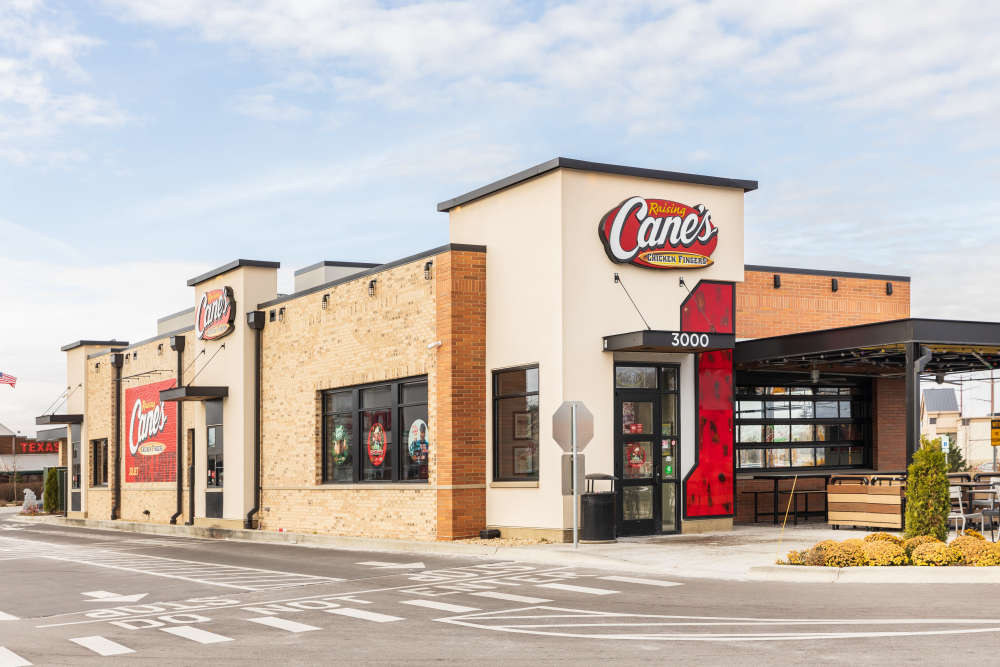 Raising Cane’s Proposes Keene Restaurant at Former Rite Aid Site
Comments
Add a comment