

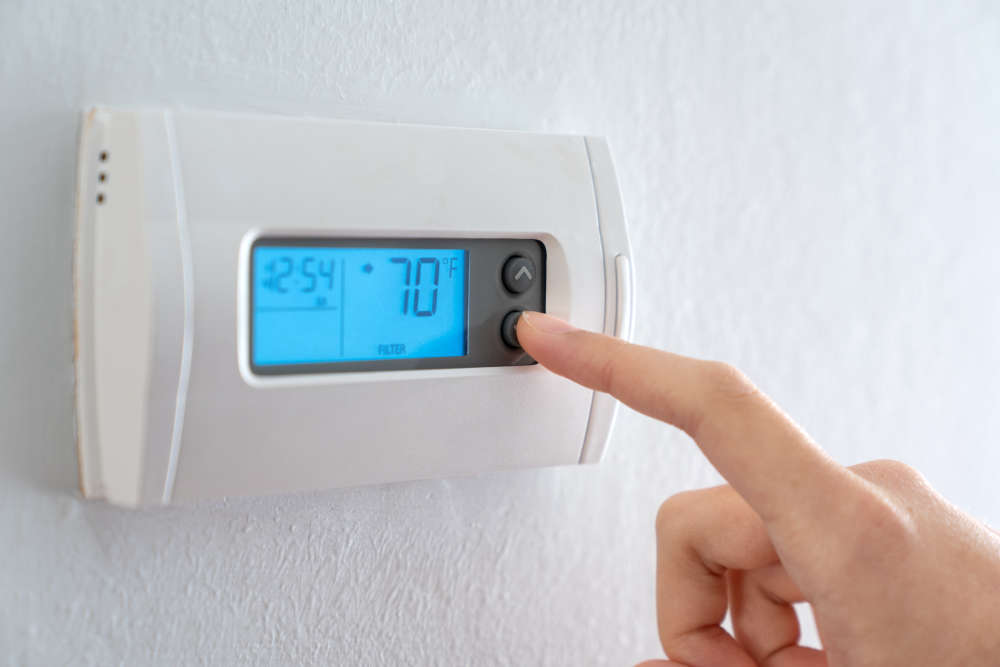
There are currently 2,420 applicants, up 200 from last year.
Southwestern Community Services is handling a larger wave of fuel assistance requests this fall, but the agency says it is moving through applications far faster than it did a year ago.
Terra Rogers, who oversees the organization’s fuel and energy aid programs, said on Tuesday that the agency has taken in about 200 more applications than it had at the same point last year from households in Cheshire and Sullivan counties. The total stood at 2,420 applications at the time of the interview.
Even with the jump in demand, Rogers said staff members are now close to current on processing. Applications are generally being reviewed in two to three weeks, a major improvement from the roughly two-month wait reported around this time last year.
The program runs from Dec. 1 through April 30. General applications became available on Sept. 1. Older residents age 60 and above who previously participated and meet fixed-income guidelines typically receive materials in the mail in late June or early July, though those forms still must be filled out and returned.
Southwestern Community Services is giving priority to households that rely on wood heat so suppliers have time to get ready before winter. Other eligible applicants should begin hearing about their benefits in mid- to late November.
Roughly 60 percent of the households served by the program are in Cheshire County, while about 40 percent are in Sullivan County.
Eligibility is tied to income and is currently based on 60 percent of New Hampshire’s state median income. For a family of four, that limit is $93,680 a year. Benefit amounts vary depending on household income, home size and heating source. Awards can be as low as $188 for some renters whose heat is included in rent, or as high as $2,500 for a household with no income.
The average benefit in the region is about $1,200. Rogers said households that receive deliverable-fuel assistance and have no change in circumstances from last year should see their benefit rise by about 20 percent.
Assistance may be used for oil, propane, kerosene, wood, pellets, bio-bricks and electric heat. Payments are usually sent directly to a fuel supplier or landlord. Renters may need to submit extra paperwork, including forms from a landlord and a W-9, and approved aid can sometimes be applied to one month’s rent.
Rogers also urged people to apply even if they think they may be over the income threshold, noting that they could still qualify for another program through SCS.
The fuel assistance application can also connect residents to the Electrical Assistance Program, which offers discounts on qualifying electric bills. Seniors age 60 and older may qualify for a two-year benefit period through that program.
Other services available through SCS include weatherization help for insulation and certain heating-system repairs, though demand has created a waiting list with priority placement. Seniors who do not meet the regular fuel program’s income limit may still be eligible for a $270 benefit through the Senior Energy Assistance Program. Households facing an immediate electric emergency and a pending disconnect may receive up to $500 through Neighbor Helping Neighbor.
Rogers said incomplete applications can slow everything down and encouraged residents to submit all required materials at once. More information and applications are available at scshelps.org, and residents can also contact the Southwestern Community Services office in Keene at 603-352-7512. An online application option is expected later in the season.
 Keene State Alerts Campus After Thefts Reported in Winchester Street Lot
 West Brattleboro Terrace plan gets federal money for senior housing
 Sentencing to follow guilty plea in Brattleboro sex offense case
 Living Memorial Park to have Monday closures for ski hill cable work
 Routine water system maintenance set to begin Oct. 5 in Brattleboro


Comments
Add a comment