

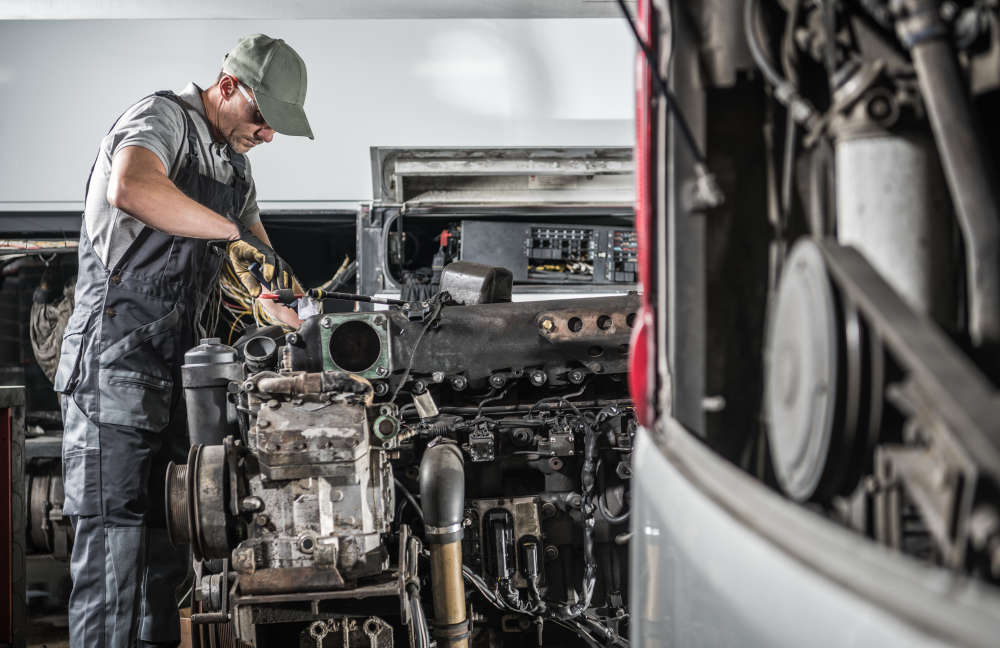
Starting in the fall of 2027 the university will phase out its associate degree offerings for prospective auto mechanics.
A significant change is on the horizon for auto and diesel mechanics education under the Vermont State College System due to a shift in strategy aimed at aligning with industry demands. Starting in the fall of 2027, the university will phase out its associate degree offerings for prospective auto mechanics in favor of a more streamlined credential program recognized by employers.
The institution plans to adopt a model that focuses on an apprenticeship approach, enhancing hands-on training opportunities in collaboration with business partners. This transition comes as a response to the decreasing enrollment figures and the associated costs of maintaining the current program. The new framework is designed to expedite students' entry into the labor market while reducing their financial burden.
While officials state that the automotive technology program will not be completely cut, they emphasize that the curriculum will evolve to create a different pathway for career advancement. Current market conditions highlight the urgent need for skilled workers, with nearly 200 job openings for automotive technicians reported in Vermont alone.
Concerns are being raised among students and faculty regarding the implications of this change. A mechanical instructor at VTSU expressed that duplicating the existing program's quality may prove challenging. Presently, around 25 students are enrolled in the associate degree program, the only one of its kind in the state. To ease fears, those in the program will be allowed to complete their degrees.
Current students are aware of the impending alterations in education. One student noted the importance of gaining practical experience through internships as part of their coursework, highlighting how this positions them effectively for future employment. Several students have already secured jobs before graduation, underscoring the program's immediate relevance.
However, there are questions surrounding the transition to the new educational model. One student pointed out that while academic standards may be diminishing, employers continue to raise their expectations during hiring processes. With uncertainty surrounding job security for the faculty involved in the program, speculation persists about their future roles once the transition takes effect.
Discussions are ongoing about the ways in which local high schools might step in to help fill the growing skills gap in the automotive workforce, as experts predict continued demand for trained technicians in the field.
 Attorney General takes over Williston ICE protest cases, sending 12 to court
 Brattleboro reappraisal stays on track as residential review advances
 Eagle Scout project refreshes Townshend ballfield snack shack in tribute to Bruce Cutts
 Regional grant to guide future of maternity and newborn care in Southeast Vermont
 Hope’s House prepares to open as Groundworks moves into a new chapter


Comments
Add a comment